midlife strength training- crucial for women’s health
Jan 29, 2026
The conversation around menopause often centers on hot flashes, mood changes, and hormone replacement therapy. While these are important aspects of menopausal health, there’s a critical component that deserves far more attention: the dramatic changes happening to women’s bones and muscles, and what can be done to protect them.

The Silent Crisis in Women’s Musculoskeletal Health
When estrogen levels decline during menopause, women face a perfect storm of physiological changes that directly threaten their long-term mobility, independence, and quality of life. Yet this aspect of women’s health remains surprisingly underrepresented in mainstream health conversations.
During the menopausal transition, women can lose up to 20% of their bone density in the five to seven years following their final period. Simultaneously, muscle mass begins declining at an accelerated rate, a condition called sarcopenia. This isn’t just about aesthetics or feeling strong. This is about the difference between living independently at 75 or requiring assistance with basic daily activities. It’s about whether a fall results in a fracture that changes the trajectory of your life.
Why This Conversation Gets Overlooked
Several factors contribute to the neglect of this crucial topic. First, bone and muscle loss are invisible processes. Unlike a hot flash or mood swing, you can’t feel your bones becoming more porous or your muscle fibers shrinking. By the time symptoms appear, such as a fracture from a minor fall or difficulty rising from a chair, significant damage has already occurred.
Second, there’s a persistent cultural narrative that positions strength training as something for younger women, athletes, or bodybuilders. Many women approaching or experiencing menopause were raised in an era when cardiovascular exercise was the primary recommendation for women’s fitness, with strength training considered optional at best or masculine at worst.
Third, the medical system often focuses on managing symptoms rather than prevention. A woman might receive medication for osteoporosis after a fracture, but how many are having proactive conversations about resistance training in their 40s before bone loss accelerates?
The Science is Clear: Strength Training is Medicine
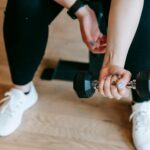
The evidence supporting strength training for menopausal women is overwhelming. Resistance training is one of the most effective interventions for:
Building and maintaining bone density. Weight-bearing exercise creates mechanical stress on bones, stimulating osteoblasts (bone-building cells) to increase bone formation. Studies show that postmenopausal women who engage in regular strength training can not only slow bone loss but actually increase bone mineral density, particularly in high-risk areas like the spine and hips.
Preserving and building muscle mass. Muscle loss during menopause isn’t inevitable. Progressive resistance training stimulates muscle protein synthesis and can help women maintain or even increase muscle mass and strength well into their later years.
Improving metabolic health. Muscle tissue is metabolically active, helping regulate blood sugar and supporting healthy body composition. This is particularly important as menopausal women face increased risk of metabolic syndrome and type 2 diabetes.
Reducing fall risk. Strength training improves balance, coordination, and functional strength, all of which reduce the likelihood of falls. Since falls are the primary cause of fractures in older women, this protective effect is invaluable.
Supporting mental health. Emerging research shows that resistance training has positive effects on mood, cognitive function, and overall well-being during menopause.

What Strength Training Actually Means
When we talk about strength training for menopausal women, we’re not suggesting everyone needs to become a powerlifter. Effective resistance training can take many forms: free weights, resistance bands, weight machines, bodyweight exercises, or even carrying heavy groceries.
The key principles are progressive overload (gradually increasing the challenge), consistency (training two to three times per week), and working the major muscle groups. A woman might start with assisted squats holding onto a counter, then progress to bodyweight squats, then add weights. The goal is to challenge the muscles and bones in a way that promotes adaptation and strength.
The Window of Opportunity
While it’s never too late to start strength training, the perimenopausal years (typically the 40s and early 50s) represent a critical window. This is when estrogen begins its decline, but before significant bone and muscle loss has occurred. Starting strength training during this period can help women enter the postmenopausal years with a stronger foundation.
However, even women well into their postmenopausal years can benefit tremendously. Research shows that women in their 60s, 70s, and beyond can still build strength and improve bone density with appropriate training.
Barriers That Need Addressing
Despite the clear benefits, many women face barriers to strength training. Women need to know that it’s not necessary to go to a gym. Strength training can be performed at home, using hand weights, resistance bands, or even body weight alone. The idea of strength training can seem intimidating, but rest assured, getting started is easier than you think! YouTube is a great source for beginner strength training videos. (We are currently reviewing options and will be posting a list of recommended videos.)
Healthcare providers play a crucial role in normalizing this conversation. When a doctor discusses bone health during a routine checkup, the recommendation should go beyond calcium and vitamin D supplements to include specific strength training guidance.
The Personal Empowerment Factor
Beyond the physical benefits, there’s something profoundly empowering about discovering your strength, especially during a life stage when women often feel their bodies are betraying them. Building muscle and lifting heavier weights offers tangible proof of capability and progress. It shifts the menopausal narrative from one of decline to one of adaptation and resilience.
Moving Forward
The conversation about women’s health during menopause needs to expand. Yes, we should talk about hormone therapy, night sweats, and emotional well-being. But we also need to talk about the weight room, the importance of progressive overload, and the profound impact that building strength can have on a woman’s next 30, 40, or 50 years of life.
Every woman deserves to know that her bone and muscle health are not at the mercy of declining estrogen alone. She has agency. She can take action. And that action, in the form of consistent strength training, might be one of the most important health interventions she makes in her entire life.
The time to have this conversation is now, not after the fracture, not after the fall, but before, when there’s still time to build a foundation of strength that will carry women through the years ahead with resilience, independence, and vitality.
Are you ready to experience the benefits of strength training?